
04/12/2023
New task force for climate action and sustainable development
We’re a major philanthropic initiative working with 700+ partners to catalyse climate action and build a better future. Our vision is a greener, more peaceful and democratic Europe made possible by climate action.
Find out more
01.09.2023
Europe has demonstrated extraordinary resilience in the face of continued economic and security crises. Our 2022 annual report emphasises the remarkable effectiveness of our network in making progress and maintaining high ambitions against the backdrop of Russia’s invasion of Ukraine…
26.04.2023
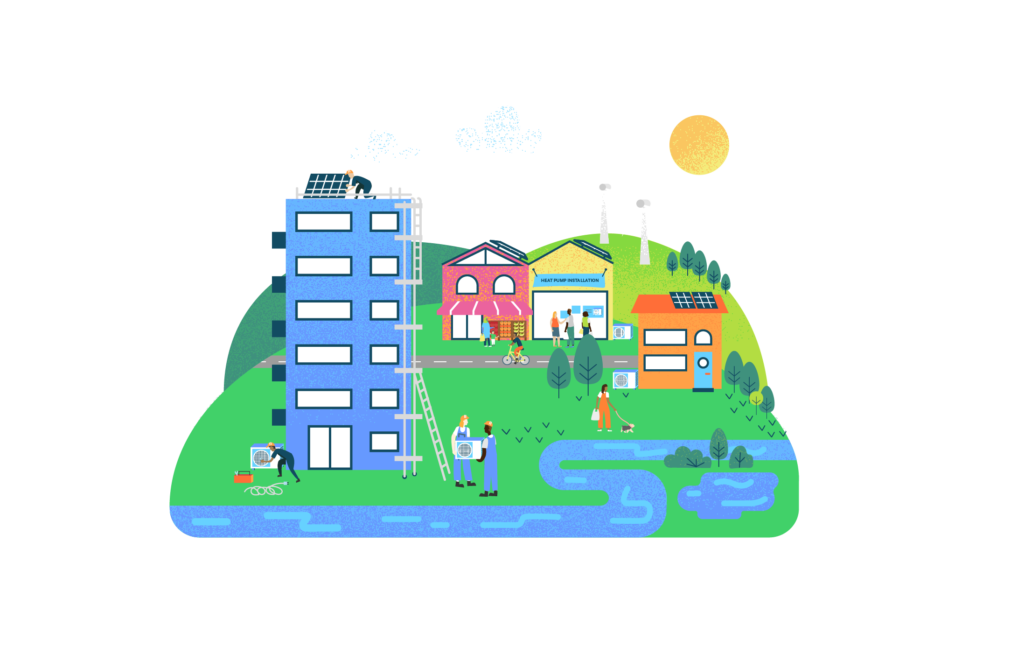
Since the Russian invasion of Ukraine and unprecedented energy price hikes, Europe has known more than ever that it needs to wean itself off expensive, polluting and volatile fossil fuels. Europe’s buildings are big gas customers accounting for 40% of…
We focus on eight interconnected ‘big bets’ to solve the climate and nature crises.


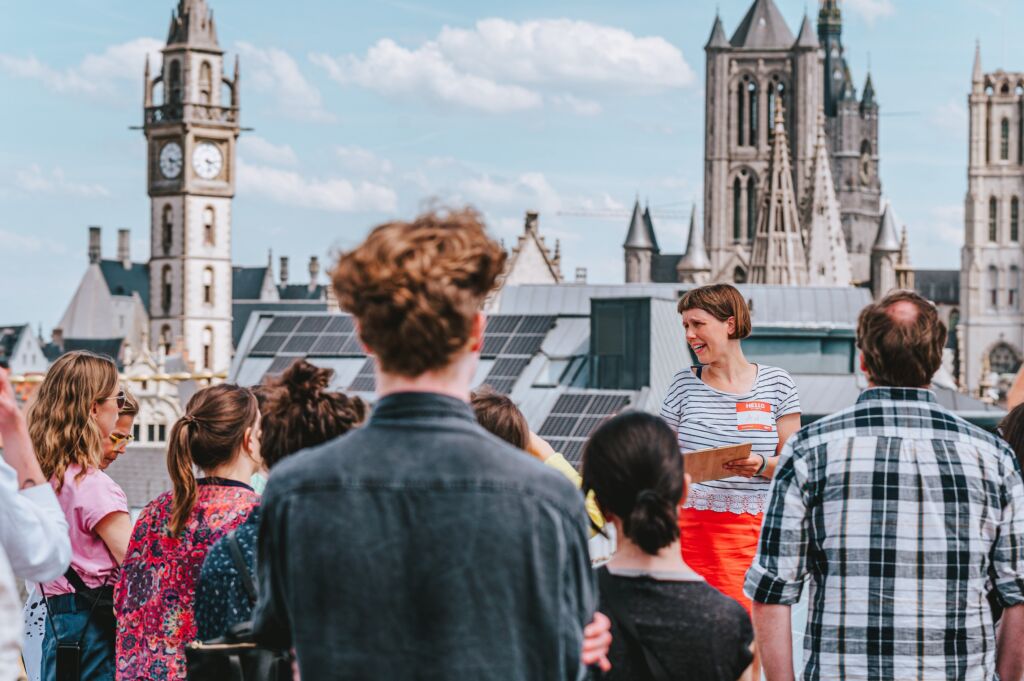
From local citizens’ assemblies to global policy research, we empower organisations that are accelerating climate solutions in Europe and around the world. Learn more about the partnerships that make this possible.

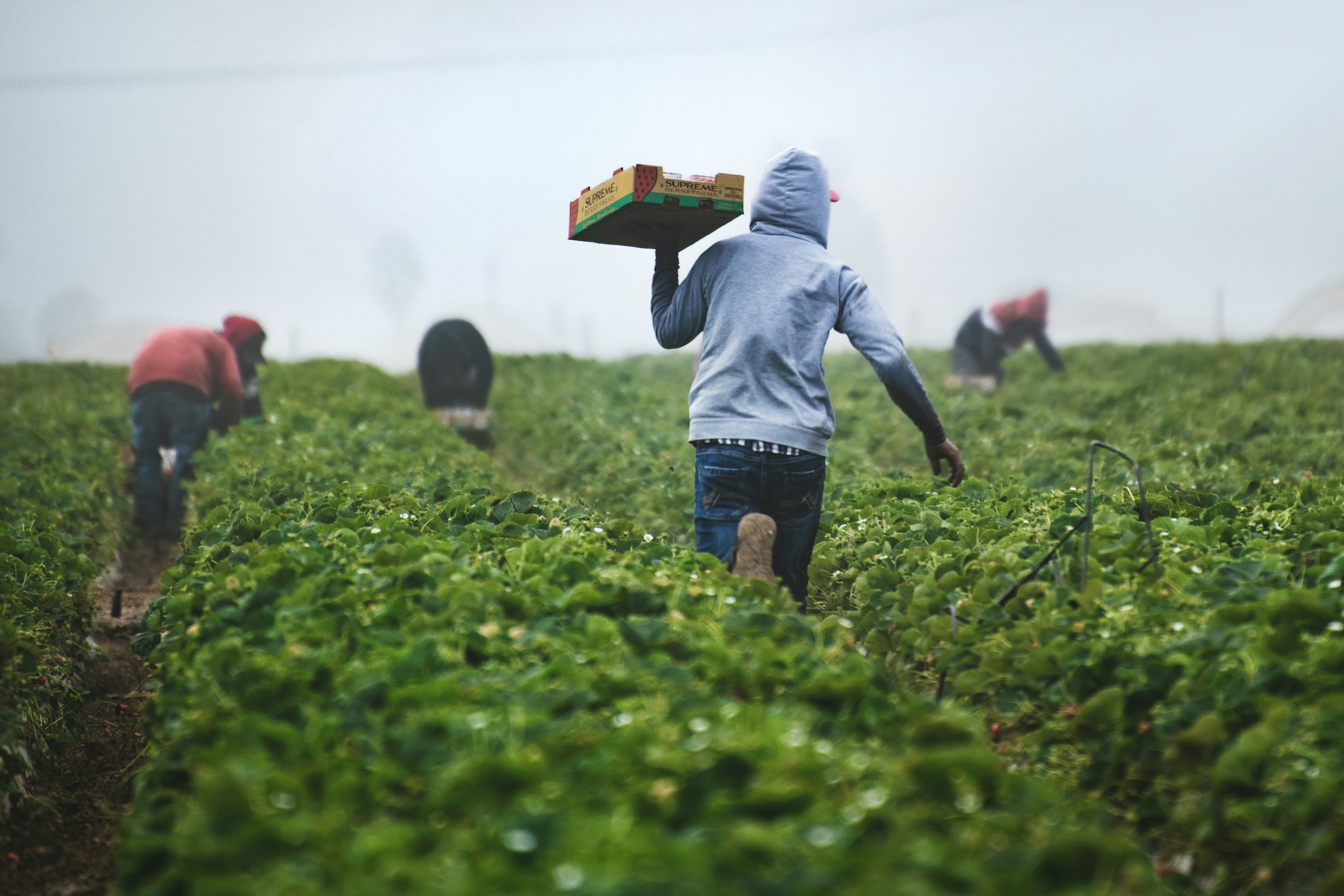
Addressing the inequities at the heart of our food system is necessary for both farmers and climate action European farmers have been taking to the streets to protest untenable levels of hardship. From increasing production costs and administrative burden to…
Read more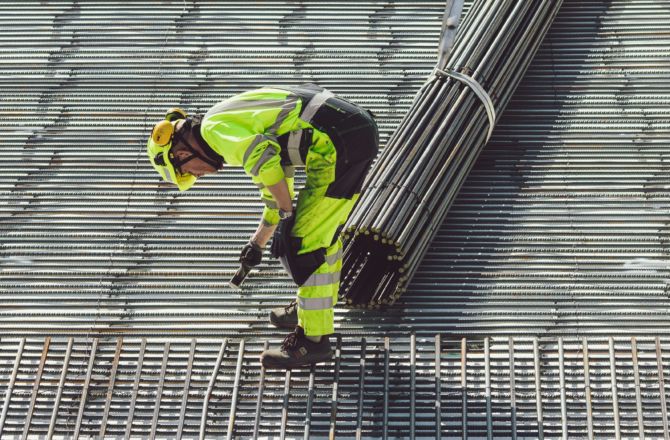
For the first time ever, the UN’s annual climate summit dedicated a part of its agenda to trade policy. The Trade Day at COP28 in Dubai offered a much-needed focus on the role that international trade can play in the…
Read more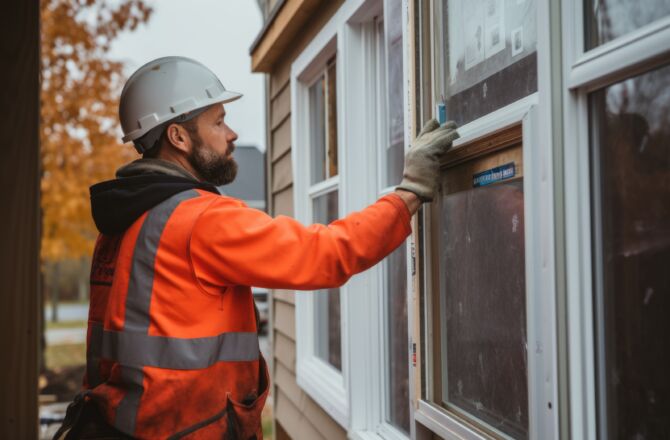
The buildings sector is a key contributor to climate change, representing around a third of energy-related emissions in the EU. Inefficient buildings have also aggravated energy poverty, which is skyrocketing across the continent with at least 50 million Europeans living…
Read more